

Every year, thousands of adventurers from around the world turn their gaze toward Tanzania, where Climbing Mount Kilimanjaro rises majestically above the African plains. At 5,895 meters, this dormant volcano represents more than just Africa’s highest point—it symbolizes the intersection of ambition and possibility. Unlike technical peaks demanding specialized mountaineering skills, Kilimanjaro offers a rare opportunity: a world-class summit achievable through determination, preparation, and strategic planning. This guide provides the essential knowledge to transform your Kilimanjaro aspiration into an unforgettable achievement.
Why Kilimanjaro Stands Apart
Mount Kilimanjaro occupies a unique position among the world’s great mountains. Its status as a “walk-up” peak—requiring no ropes, crampons, or technical climbing—makes it accessible to motivated individuals without mountaineering backgrounds. Yet this accessibility shouldn’t breed complacency. The mountain demands respect, claiming summit attempts from approximately 35% of climbers, primarily through altitude’s unforgiving effects.
The mountain’s three volcanic cones—Kibo, Mawenzi, and Shira—create varied terrain that keeps the journey visually engaging. Uhuru Peak on Kibo represents your ultimate destination, where standing above the clouds provides perspectives that shift how you view both the world and yourself.
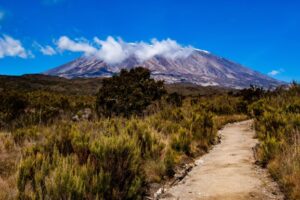
Kilimanjaro’s equatorial location creates remarkable ecological compression. Your trek traverses five distinct climate zones: cultivated farmland, montane forest, heath and moorland, alpine desert, and arctic summit zone. This biological journey condensed into days creates constantly evolving scenery unmatched on other mountains. One morning you’re sweating through the humid rainforest; days later, you’re navigating the frozen scree under starlight.
The human dimension enriches every aspect of the experience. Tanzania’s warm hospitality, your crew’s expertise and encouragement, and the camaraderie developing among fellow climbers create memories extending beyond the physical achievement. Many climbers report that relationships forged during the trek prove as valuable as reaching the summit.
Strategic Route Selection
Your route choice fundamentally determines your experience and success probability. Understanding each path’s characteristics enables informed decisions aligned with your priorities.
Machame Route: The Balanced Approach
Machame has earned its reputation as the most popular route through delivering excellent value across multiple dimensions. The six to seven-day itinerary provides solid acclimatization through naturally occurring “climb high, sleep low” profiles. You’ll experience tremendous scenic diversity, from lush forest through the famous Barranco Wall to the crater rim’s arctic zone. The Barranco Wall—a 257-meter rock face requiring scrambling but no technical climbing—adds a memorable challenge without excessive danger. With 70% success rates and reasonable pricing, Machame suits first-time Kilimanjaro climbers seeking proven effectiveness.
Lemosho Route: The Premium Experience
Approaching from the remote western side, Lemosho offers superior wilderness character during early stages. The seven to eight-day itinerary maximizes acclimatization time, translating to 80-85% success rates. You’ll traverse the expansive Shira Plateau, experience spectacular sunrises and sunsets, and encounter fewer climbers during initial days before converging with Machame Route. Lemosho costs 15-25% more than Machame but delivers significantly higher summit probability and enhanced scenery—worthwhile investments for many climbers.
Northern Circuit: Maximum Success Probability
For climbers where summit success outweighs all other considerations, Northern Circuit’s eight to nine-day circumnavigation delivers unmatched results. This longest route winds nearly completely around the mountain, exposing you to landscapes other routes miss while providing superior acclimatization. Success rates consistently exceed 90%—the highest available. The trade-offs include substantial time commitment (requiring 11-13 days including travel) and premium pricing 30-40% above Machame. If your schedule and budget accommodate these requirements, Northern Circuit provides your best odds.
Marangu Route: The Comfortable Choice
Nicknamed the “Coca-Cola Route,” Marangu offers Kilimanjaro’s only hut accommodation—appealing for those preferring beds over tents. The five to six-day itinerary attracts budget-conscious climbers with pricing 10-15% below Machame. However, shorter duration produces lower success rates around 55-60%. The gradual slope creates deceptive impressions of easier climbing, but inadequate acclimatization time challenges many. Choose Marangu if hut accommodation is essential or extreme budget constraints exist, while acknowledging the success rate compromise.
Rongai Route: The Wilderness Option
Ascending from the north near the Kenyan border, Rongai provides unique advantages. Positioning on the mountain’s dry side makes it optimal during wetter months when western routes become muddy. The six to seven-day itinerary offers moderate acclimatization with 65-70% success rates. Wildlife encounters—including colobus monkeys, blue monkeys, and various bird species—occur more frequently in lower elevations. Fewer climbers create an authentic wilderness atmosphere. The main limitation involves ascending and descending identical routes rather than experiencing terrain diversity.
Umbwe and Shira: Specialized Choices
Umbwe appeals to experienced high-altitude trekkers seeking maximum challenge through the steepest, most direct ascent. Rapid elevation gain provides minimal acclimatization, resulting in approximately 50% success rates. Only exceptionally fit climbers with proven high-altitude performance should consider this demanding route. Shira begins at 3,600 meters via vehicle access, eliminating the first day’s hiking but compromising initial acclimatization. Most altitude experts recommend Lemosho over Shira for superior adaptation profiles despite sharing similar terrain later.
Comprehensive Training Protocol
Proper physical preparation separates enjoyable, successful climbs from miserable struggles. Implement a structured training program beginning four to six months before departure.
Aerobic Capacity Development
Climbing Mount Kilimanjaro demands sustained moderate-intensity effort across consecutive days. Build aerobic foundations through running, cycling, swimming, or rowing. Progress from 30-minute sessions at conversational pace to 90-minute workouts maintaining the same relative effort. Include one weekly interval session alternating between moderate and challenging intensities—develop capacity for steeper terrain and summit night’s relentless demands.
Hiking-Specific Conditioning
Nothing prepares you better than actual loaded hiking. Begin with three-hour weekend treks carrying 7 kilograms, progressively building to eight-hour expeditions with 15 kilograms. Prioritize terrain featuring 700-1,000 meters elevation gain per hike. Your body adapts specifically to imposed stresses—hill training prepares you far better than flat walking regardless of duration.
Schedule back-to-back weekend hiking days simulating consecutive climbing days. Complete a challenging Saturday trek, then undertake moderate Sunday hiking while fatigued. This trains your body to perform when tired and reveals potential issues—footwear problems, pack discomfort, nutrition challenges—before you’re committed on the mountain.
Strength and Conditioning
Strong legs carry you efficiently uphill and protect knees during extended descents. Incorporate squats, lunges, step-ups, deadlifts, and calf raises twice weekly. Single-leg exercises improve balance crucial for uneven volcanic terrain. Progressive overload—gradually increasing resistance—builds strength systematically.
Core stability maintains proper posture under pack weight and accumulating fatigue. Planks, side planks, bird dogs, and rotational movements build functional core strength. Strong cores prevent the forward lean developing when tired, which restricts breathing and accelerates exhaustion.
Upper body endurance matters despite Kilimanjaro being primarily leg-intensive. Your shoulders and back support daypack weight throughout long days. Rows, pull-ups, and overhead presses build the endurance needed to maintain good posture with loaded packs for hours.
Psychological Preparation
Mental toughness often determines summit success more than physical fitness. Practice visualization exercises where you mentally rehearse challenging moments—summit night’s cold and fatigue, pushing through altitude headaches, maintaining motivation during difficult hours. Develop personal mantras providing strength during low moments. Read detailed accounts from other climbers, understanding that suffering is normal, temporary, and survivable builds psychological resilience.
Mastering Altitude Adaptation
Altitude represents the primary obstacle between you and Uhuru Peak. Understanding physiological responses and implementing proven strategies dramatically improves success probability.
Understanding Altitude’s Effects
Ascending reduces atmospheric pressure despite unchanged oxygen percentage. At Kilimanjaro’s summit, each breath delivers approximately 50% of sea-level oxygen. Your body compensates through increased respiration rate, elevated heart rate, and over days, enhanced red blood cell production. These adaptations require time—explaining why longer routes succeed more frequently.
Initial altitude exposure triggers multiple responses. Breathing rate increases unconsciously as your body attempts maintaining oxygen delivery. Heart rate elevates to circulate available oxygen more rapidly. Sleep often becomes disturbed as your brain struggles balancing breathing needs with sleep requirements. These responses are normal and indicate your body adapting appropriately.
Recognizing and Managing Altitude Sickness
Mild Acute Mountain Sickness (AMS) affects most Kilimanjaro climbers. Symptoms include headache, nausea, appetite loss, fatigue, dizziness, and sleep disturbance. These typically emerge around 2,500-3,000 meters and often improve with rest and continued gradual ascent. However, worsening symptoms despite rest demand serious attention.
Severe altitude sickness manifests through distinct symptoms: loss of coordination, confusion, severe headache unrelieved by medication, breathing difficulty at rest, or coughing pink frothy fluid. These indicate High Altitude Cerebral Edema (HACE) or High Altitude Pulmonary Edema (HAPE)—medical emergencies requiring immediate descent regardless of summit proximity.
Proven Acclimatization Strategies
Ascend gradually following your guides’ “pole pole” pace. This deliberately slow approach maximizes acclimatization effectiveness despite frustrating fit climbers initially. Stay aggressively hydrated, consuming four to five liters daily even without thirst. Dehydration worsens altitude effects significantly—monitor urine color, maintaining clear or pale yellow throughout.
Force adequate nutrition despite altitude’s appetite-suppressing effects. Your body requires tremendous calories for acclimatization and sustained activity. High-carbohydrate foods digest easier at altitude while providing readily available energy. Many climbers find familiar comfort foods work better than exotic local cuisine when appetite diminishes.
Implement “climb high, sleep low” principles during built-in acclimatization days. You’ll hike to higher elevations before returning to camp at lower altitude. These excursions stimulate adaptation while allowing recovery at more comfortable elevations. Never skip acclimatization hikes even when feeling strong—they’re critical investments in summit success.
Medication Considerations
Diamox (acetazolamide) assists many climbers by stimulating breathing and accelerating acclimatization through blood acidification. This prescription medication requires consulting physicians experienced in altitude medicine. If prescribed, trial Diamox at home identifying potential side effects—increased urination, finger tingling, altered taste. Understand that Diamox supplements but never replaces proper acclimatization practices.
Essential Equipment Selection
Kilimanjaro’s extreme conditions—from tropical heat to arctic cold—demand carefully selected, reliable equipment.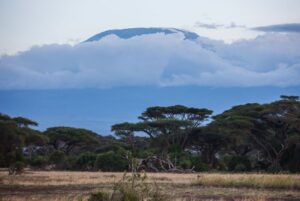
Critical Footwear
Quality hiking boots represent your most important gear investment. Choose waterproof, insulated boots with excellent ankle support, aggressive tread, and proven comfort. Break them in thoroughly through multiple training hikes—discovering your boots cause blisters during summit night transforms achievement into agony. Pack multiple sock systems: thin moisture-wicking liner socks paired with thick insulating outer socks in merino wool or quality synthetics.
Effective Layering Systems
Master three-layer principles for temperature regulation. Base layers next to skin should be synthetic or merino wool—never cotton—wicking moisture while maintaining warmth. Mid-layers provide insulation through fleece or lightweight down, trapping warm air while allowing moisture escape. Outer shells block wind and precipitation while remaining breathable. Invest in quality waterproof/breathable technology like Gore-Tex for reliable protection.
Summit Night Essentials
Summit night demands serious cold-weather equipment. An expedition-weight insulated jacket rated to -20°C minimum is non-negotiable. Insulated pants—down or synthetic—provide crucial leg warmth during the long cold ascent. A warm hat covering ears, insulated balaclava or neck gaiter, and dual glove systems (thin liners plus heavy insulated gloves or mittens) complete your arsenal. Chemical hand and toe warmers provide emergency backup warmth.
Quality Sleep System
A sleeping bag rated to -15°C minimum ensures adequate warmth, though colder ratings provide valuable margins. Sleeping bag liners add warmth while keeping bags cleaner. A quality sleeping pad with high R-value is equally critical—significant body heat escapes to frozen ground without proper insulation. Modern inflatable pads offer excellent warmth-to-weight ratios.
Important Accessories
A reliable headlamp with fresh batteries plus complete spares illuminates predawn summit attempts. Trekking poles reduce knee stress during long descents while providing stability on steep sections—many climbers initially resist poles but become believers after experiencing their benefits. A hydration system preventing freezing—either insulated hydration bladder or multiple bottles in insulated covers—maintains fluid access. High-SPF sunscreen, UV400-rated glacier sunglasses, SPF lip balm, comprehensive first-aid kit, personal medications, and blister prevention supplies complete essentials.
Daily Rhythm and Expectations
Understanding typical daily patterns helps you prepare mentally for the journey ahead.
Early days feature relatively moderate terrain through humid montane forests. Afternoon rains occur frequently in forested zones. The deliberately slow “pole pole” pace allows your body beginning altitude adaptation while building aerobic base. You’ll reach camps in early afternoon, providing time for rest, camp exploration, hydration, and nutrition.
As you climb into moorland and heath zones around 3,000-4,000 meters, vegetation transforms dramatically. Giant groundsels and lobelias create otherworldly landscapes. Air noticeably thins, making conversation while walking more difficult. Many climbers first experience mild altitude symptoms—slight headaches, reduced appetite, mild nausea. These typically resolve with rest and hydration.
The alpine desert zone above 4,000 meters presents stark, lunar-like terrain. Vegetation disappears, leaving volcanic rock and dust. Altitude effects intensify, physical effort feels disproportionate to your slow pace. Temperature extremes grow pronounced—hot sun during day, freezing nights. Acclimatization hikes typically occur at these elevations, preparing your body for final summit push.
Summit night begins around midnight from high camp at 4,600-4,900 meters. After minimal sleep, you’ll force down breakfast and hot beverages before beginning the final ascent. The night brings bitter cold and altitude makes every step laborious. You’ll climb through darkness for five to seven hours, following bobbing headlamps upward. Mental battles intensify as physical discomfort peaks. Reaching the crater rim as dawn breaks provides enormous psychological relief. The final push around the crater rim to Uhuru Peak demands everything remaining, but the summit sign appearing creates emotional surges carrying you forward.
Environmental and Cultural Responsibility
Your Kilimanjaro journey intertwines deeply with environmental stewardship and cultural engagement.
Your climbing crew enables summit success. Experienced guides navigate routes, monitor health continuously, and make critical safety decisions. Porters carry majority equipment and supplies, often bearing challenging loads day after day with remarkable cheerfulness and positive attitudes. Cooks prepare nourishing meals in harsh conditions. Understanding each crew member’s crucial contribution deepens appreciation for the team effort underlying every successful summit.
Choose operators demonstrating ethical crew treatment. Responsible companies provide adequate equipment for crew members, enforce reasonable load limits (20 kilograms maximum including personal gear), pay wages exceeding minimum standards, and ensure proper food and shelter. The cheapest operators achieve low prices through worker exploitation—paying fair prices supports ethical treatment and sustainable livelihoods for local communities.
Learn basic Swahili phrases demonstrating respect and facilitating cultural exchange. Simple greetings like “Jambo” (hello), “Asante” (thank you), “Habari” (how are you), and “Pole pole” (slowly slowly) show effort and often lead to richer interactions. Show genuine interest in crew members’ lives, families, and experiences rather than viewing them as invisible service providers.
Plan generous tipping according to established guidelines—approximately $250-350 per climber for week-long expeditions, distributed according to roles and service quality. Present tips in sealed envelopes during traditional final evening ceremonies, maintaining dignity and privacy.
Practice rigorous environmental stewardship following Leave No Trace principles. Pack out all waste including biodegradable items. Use designated toilet facilities exclusively. Stay on established trails preventing erosion—never shortcut switchbacks regardless of time saved. The mountain’s iconic glaciers continue retreating due to climate change, making environmental responsibility increasingly urgent.
Conclusion
Climbing Mount Kilimanjaro represents far more than checking an item off your bucket list. It’s a profound journey of self-discovery revealing capabilities you may not have known you possessed. The mountain tests your physical limits while challenging your mental resilience, determination, and character. Standing atop Uhuru Peak creates a transformative moment that resonates throughout your life, shifting perspectives on what’s possible when you commit fully to challenging goals.
The lessons learned on Kilimanjaro’s slopes extend into every life area. You discover that consistent, patient effort overcomes seemingly impossible obstacles. You learn that temporary discomfort pales compared to lasting satisfaction of pushing through difficult moments. You understand that proper preparation multiplies success probability exponentially while shortcuts invite failure. These insights prove valuable in professional challenges, personal relationships, and future adventures.
The relationships forged during your climb—with fellow adventurers sharing your struggles and triumphs, with guides and porters whose expertise and encouragement make success possible—often prove as memorable as the summit itself. You’ll return home with new friendships, expanded perspectives, and deeper appreciation for different cultures and lifestyles beyond your normal experience.
Kilimanjaro also teaches profound humility. The mountain demonstrates that nature’s power dwarfs human ambition, and success requires respecting conditions rather than attempting domination. You learn to listen carefully to your body’s signals, accept limitations gracefully, and understand that sometimes the wisest decision involves turning back to climb another day rather than pushing dangerously beyond reasonable limits.
Whether you reach Uhuru Peak or turn back before achieving the summit, you’ll return transformed by the experience. The courage required to attempt the climb, the dedication demonstrated through months of rigorous training, and the perseverance shown in facing the mountain’s formidable challenges all represent significant victories worth celebrating. Kilimanjaro doesn’t merely test who you currently are—it reveals who you’re capable of becoming when pushed beyond perceived limitations and comfortable boundaries.
Key Takeaways
- Mount Kilimanjaro offers non-technical climbing making Africa’s highest summit accessible to motivated individuals without mountaineering experience, though altitude presents significant challenges requiring proper preparation and respect
- Route duration directly correlates with summit success—8-9 day routes achieve 90%+ success versus 55-60% for 5-6 day routes, making additional acclimatization days the single most impactful decision affecting summit probability
- Comprehensive physical training beginning 4-6 months before departure should emphasize cardiovascular endurance, weighted hiking with significant elevation gain, leg and core strength, and back-to-back training days simulating consecutive climbing demands
- Altitude management through deliberate gradual ascent, aggressive hydration (4-5 liters daily), maintaining nutrition despite appetite loss, and implementing “climb high, sleep low” principles during acclimatization days dramatically improves summit success
- Quality equipment covering extreme temperature ranges from 30°C tropical heat to -25°C arctic cold is essential, particularly thoroughly broken-in waterproof boots, effective three-layer clothing systems, and serious insulation for brutal summit night conditions
- Ethical operator selection supporting fair porter treatment, reasonable load limits, proper wages, and adequate equipment costs more but ensures superior safety protocols, motivated crew members, and sustainable tourism benefiting local communities
- Summit night beginning around midnight represents the greatest physical and mental challenge of the entire climb, requiring thorough psychological preparation, strategies for breaking the climb into small achievable goals, and maintaining determination through extreme discomfort
- Cultural engagement through learning basic Swahili phrases, showing genuine interest in crew members’ lives and experiences, and providing generous tips (10-15% of trek cost distributed appropriately) enriches the experience while supporting local families and communities
Frequently Asked Questions
How long does the entire Kilimanjaro trip take including travel?
The complete Kilimanjaro experience typically requires 10-14 days total. This includes 1-2 days for international travel to Tanzania, 1 day pre-climb in Moshi or Arusha for final preparations and briefings, 5-9 days on the mountain depending on route selection, and 1-2 days post-climb for recovery and return travel. Shorter routes like Marangu require minimum 8-9 total days, while longer routes like Northern Circuit need 13-14 days minimum. Many climbers add extra days for safari experiences or Zanzibar beach relaxation. Plan vacation time accordingly, and consider adding buffer days for potential flight delays or weather-related schedule changes affecting climbing itineraries.
What are the main reasons people fail to reach the summit?
Altitude sickness causes approximately 75% of summit failures on Kilimanjaro. Inadequate acclimatization time—particularly on shorter routes—prevents bodies from adapting sufficiently to reduced oxygen levels. Other common failure factors include insufficient physical preparation leading to exhaustion, dehydration from inadequate fluid intake, hypothermia from improper cold-weather gear during summit night, and psychological factors when mental toughness falters during difficult moments. Poor nutrition, pushing too hard during early days depleting energy reserves, and ignoring early altitude sickness symptoms that worsen with continued ascent also contribute to turnarounds. Choosing longer routes and proper preparation dramatically reduces failure risk.
Can I climb Kilimanjaro alone or do I need a group?
Tanzanian regulations prohibit independent climbing—you must book through registered tour operators with licensed guides. However, you can book as a solo traveler and either join a group climb or arrange a private climb with just you and the crew. Group climbs (4-12 climbers) cost less per person through shared expenses but operate on fixed schedules with varying group fitness levels. Private climbs cost more but offer flexible scheduling, customized pacing, and personalized attention from guides. Solo travelers often enjoy group climbs for the camaraderie and friendships formed, though some prefer private climbs’ flexibility and personalized experience despite higher costs.
What happens to my belongings while I’m climbing?
Your main luggage stays securely stored at your hotel in Moshi or Arusha during the climb—bring a duffel bag or large backpack containing only items needed on the mountain. Porters carry this bag between camps along with group equipment and supplies. Your daypack containing items needed during daily trekking—water, snacks, extra layers, camera, sunscreen, personal medications—stays with you throughout each day. Hotels provide secure storage for valuables, though bringing expensive jewelry or unnecessary electronics on your Tanzania trip is inadvisable. Most climbers leave passports, extra cash, and return flight documents in hotel safes, carrying only copies and essential items on the mountain.
Is cell phone service available on Mount Kilimanjaro?
Cell phone coverage exists sporadically on Kilimanjaro, primarily on southern routes like Machame and Marangu at lower elevations and certain high points. Coverage becomes increasingly unreliable above 3,500 meters and is essentially non-existent at high camps and summit areas. Don’t rely on phones for communication or emergencies—reputable operators carry satellite phones or radios for emergency communications. Bring your phone primarily for photos, though conserve battery carefully as charging opportunities are non-existent on most routes. Many climbers appreciate the digital detox aspect, disconnecting from constant connectivity to fully immerse in the mountain experience. Inform family and friends that you’ll be unreachable during the climb, providing emergency operator contact information for genuine emergencies.
How physically demanding is summit night compared to other days?
Summit night represents by far the most physically and mentally demanding segment of the entire climb. You’ll ascend 1,000-1,200 meters over 5-7 hours in extreme cold (-15°C to -25°C), at extreme altitude where oxygen is roughly 50% of sea level, in darkness, with minimal sleep beforehand, and often dealing with altitude sickness symptoms. The combination of altitude, cold, darkness, fatigue, and relentless uphill effort makes summit night exponentially harder than any previous day. However, most climbers report that knowing they’re so close to the summit provides powerful psychological motivation. Proper mental preparation and understanding summit night’s extreme difficulty prevents the shock and demoralization that can occur if you expect conditions similar to previous days.
Do I need travel insurance specifically for Kilimanjaro?
Yes, specialized travel insurance covering high-altitude trekking and emergency evacuation is essential and often required by operators. Standard travel insurance policies typically exclude mountaineering activities above 4,000-6,000 meters, making them inadequate for Kilimanjaro climbing. Purchase adventure or mountaineering insurance specifically covering Kilimanjaro’s 5,895-meter elevation and including emergency helicopter evacuation from the mountain, which can cost $5,000-15,000 if needed. Also ensure coverage includes trip cancellation/interruption, medical treatment in Tanzania, emergency dental, lost or stolen gear, and delayed/lost luggage. Review policy exclusions carefully—some policies exclude pre-existing conditions or require medical clearance. Present proof of adequate insurance to your operator before climbing.
What food is provided during the climb?
Kilimanjaro operators typically provide surprisingly good, nutritious meals despite challenging conditions. Breakfasts include porridge, eggs, toast, fruit, tea, and coffee. Lunches feature sandwiches, soups, vegetables, and fruit. Dinners offer multiple courses including soup, main dishes (chicken, beef, pasta, rice, vegetables), and desserts. Cooks accommodate dietary restrictions—vegetarian, vegan, gluten-free, allergies—with advance notice. However, bring supplementary snacks you know work for your body—energy bars, nuts, dried fruit, chocolate, electrolyte drinks. Appetite typically decreases with altitude, so having familiar comfort foods helps maintain necessary caloric intake. Avoid trying unfamiliar foods on the mountain—stick with items your digestive system tolerates well.
Can I bring my own porter to carry my gear?
No, you cannot bring personal porters—all crew members must be arranged through your registered tour operator. Operators employ porters from local communities who are trained, equipped, and insured for mountain work. This regulation ensures proper working conditions, fair wages, and safety standards while supporting local employment. You can, however, communicate with your operator about specific needs—extra porter support for heavier personal gear, photography equipment, or medical equipment. Reputable operators limit loads to 20 kilograms per porter including their personal gear, so additional porters may be assigned if you have substantial equipment. The porter employment system provides crucial income for local families while ensuring climbers have experienced, capable crew support.
What is the youngest/oldest age for climbing Kilimanjaro?
Kilimanjaro National Park regulations prohibit climbers under 10 years old. Children aged 10-17 can climb with parental/guardian consent and must be accompanied by adults. The youngest successful summiter was 7 (before current regulations), while the oldest was 89 years old. Age is less important than fitness level, health status, and mental determination. Younger climbers often possess superior cardiovascular fitness but may lack mental resilience during difficult moments. Older climbers frequently demonstrate better pacing discipline and psychological toughness despite potentially lower physical fitness. Regardless of age, undergo thorough medical evaluation before committing, train appropriately for several months, and choose longer routes providing maximum acclimatization time. Many climbers in their 60s and 70s successfully summit annually.